Michael Berry





Michael Berry’s areas of research include modern and contemporary Chinese literature, Chinese cinema, popular culture in modern China, and literary translation. Berry’s approach is transnational and his work addresses the richness and diversity of Chinese art and culture as it has manifested itself in mainland China, Taiwan, Hong Kong, and other Sinophone communities. After earning a PhD in East Asian Languages & Cultures at Columbia University, Berry taught at UCSB for 13 years before joining UCLA in 2016. He is the Director of the UCLA Center for Chinese Studies. He also holds an affiliate appointment with the UCLA Department of Film, Television and Digital Media.

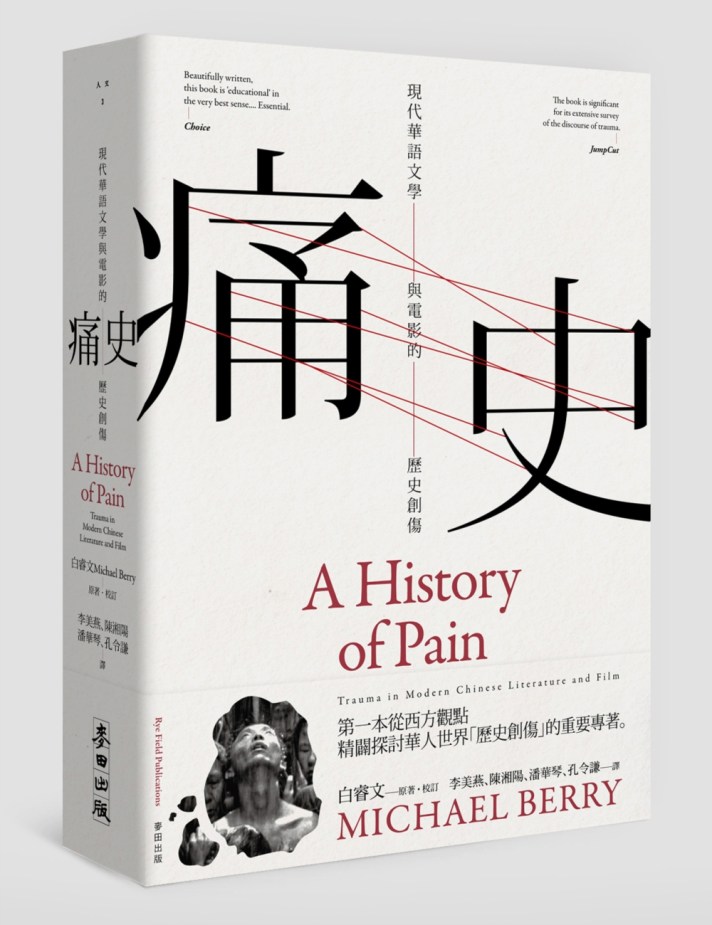
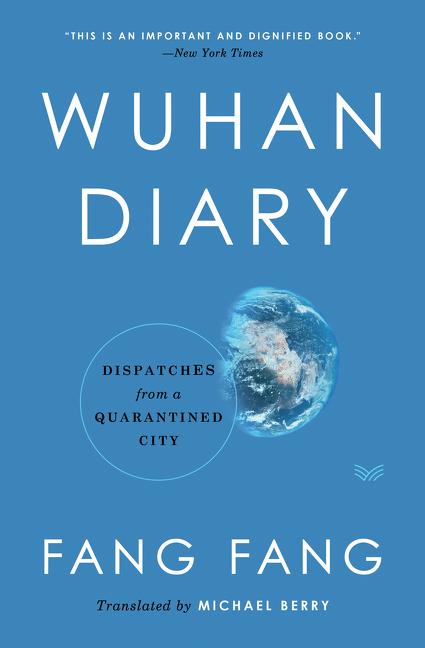
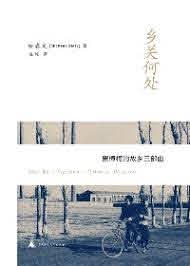
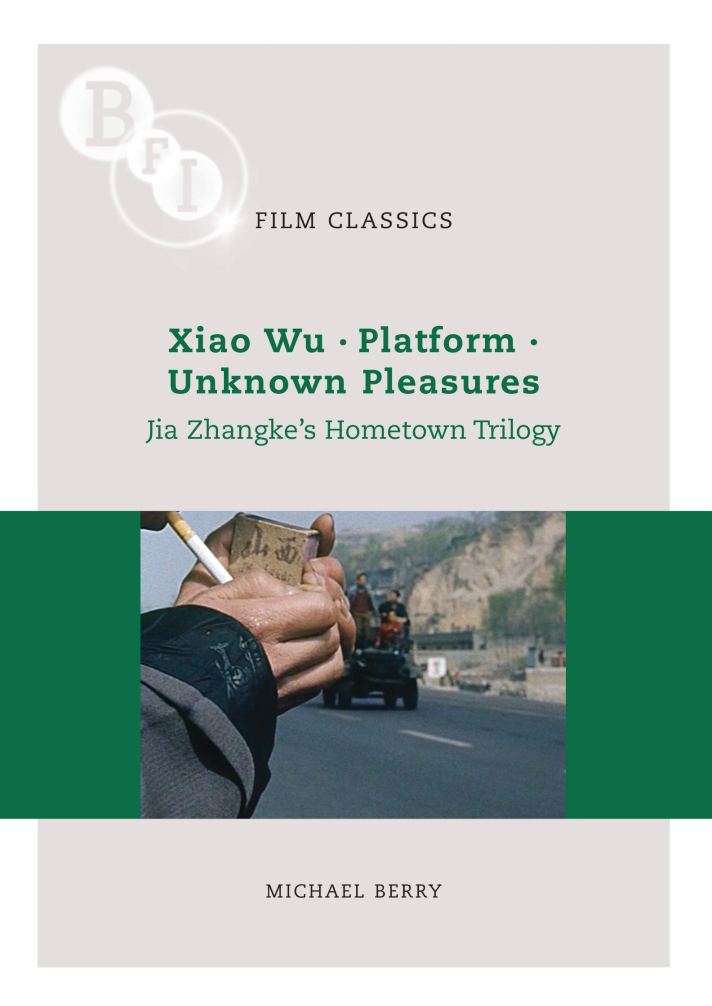
Michael Berry is the author of A History of Pain: Trauma in Modern Chinese Literature and Film, which explores literary and cinematic representations of atrocity in twentieth century China and the monograph, Jia Zhang-ke’s Hometown Trilogy, which offers extended analysis of the films Xiao Wu, Platform, and Unknown Pleasures. Berry’s 2022 book, Translation, Disinformation and Wuhan Diary: Anatomy of a Transpacific Cyber Campaign, explores the intersection between COVID-19, Sino-US relations, and disinformation campaigns through the lens of Wuhan Diary by Fang Fang. He is also working on a monograph that explores the United States as it has been imagined through Chinese film, from 1949-present.
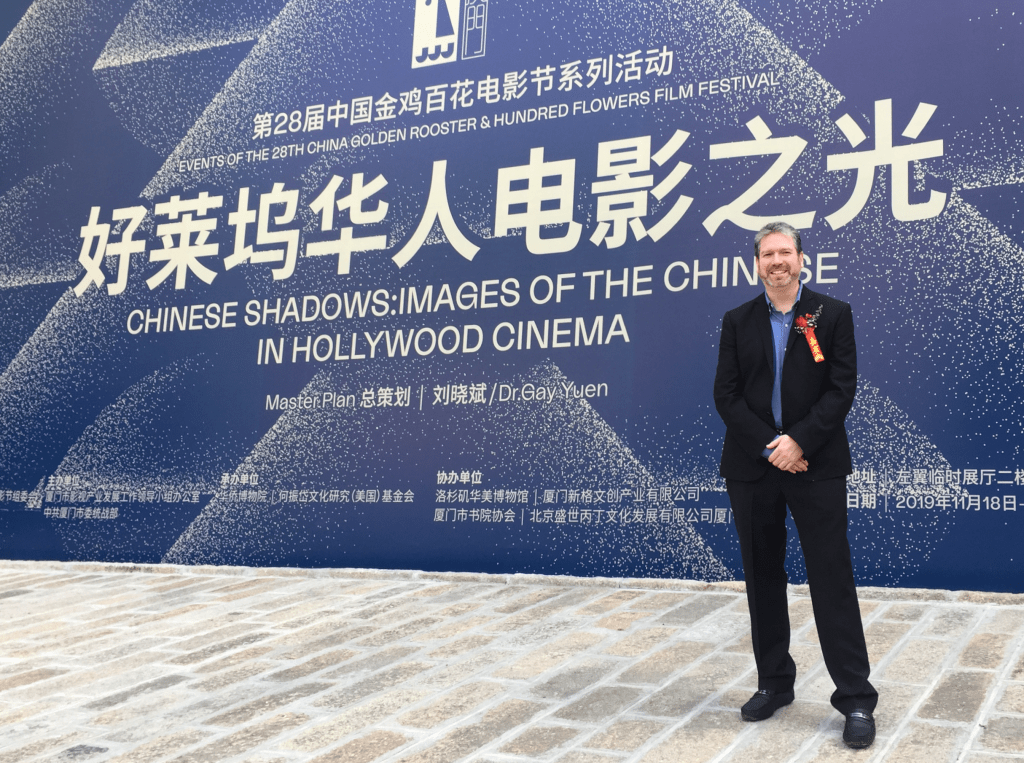
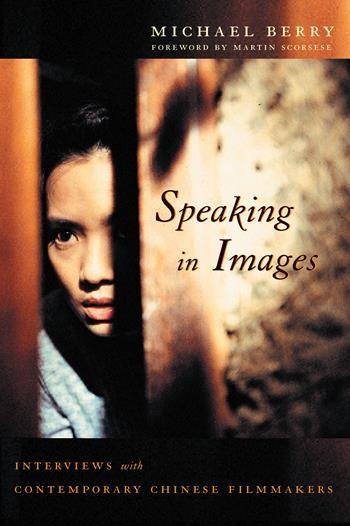
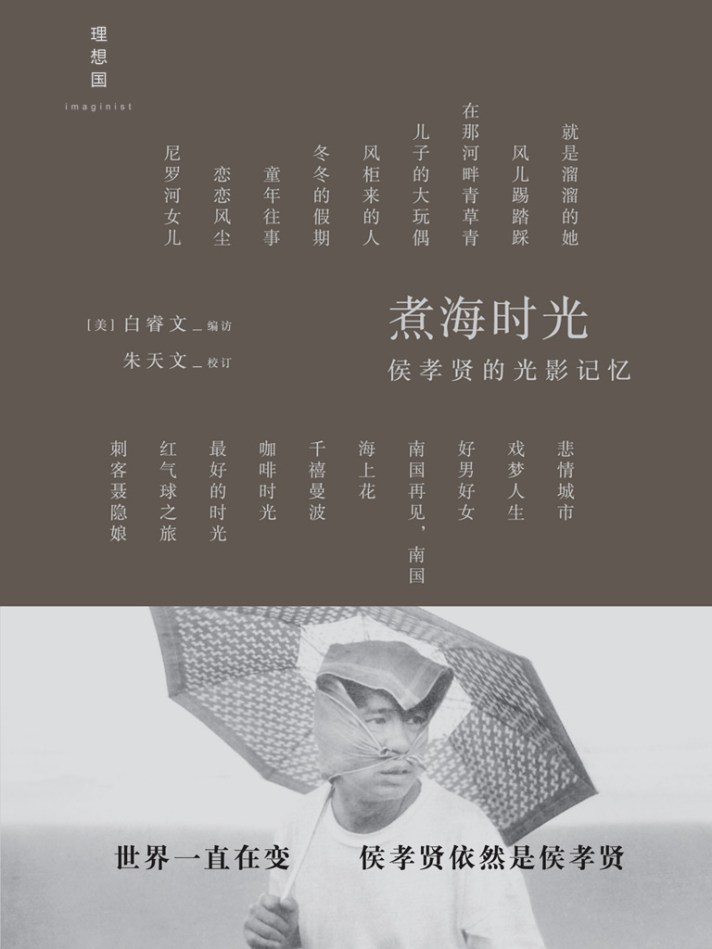
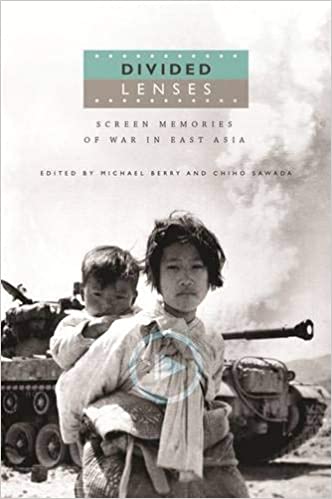
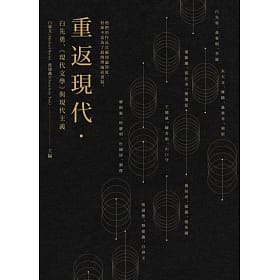
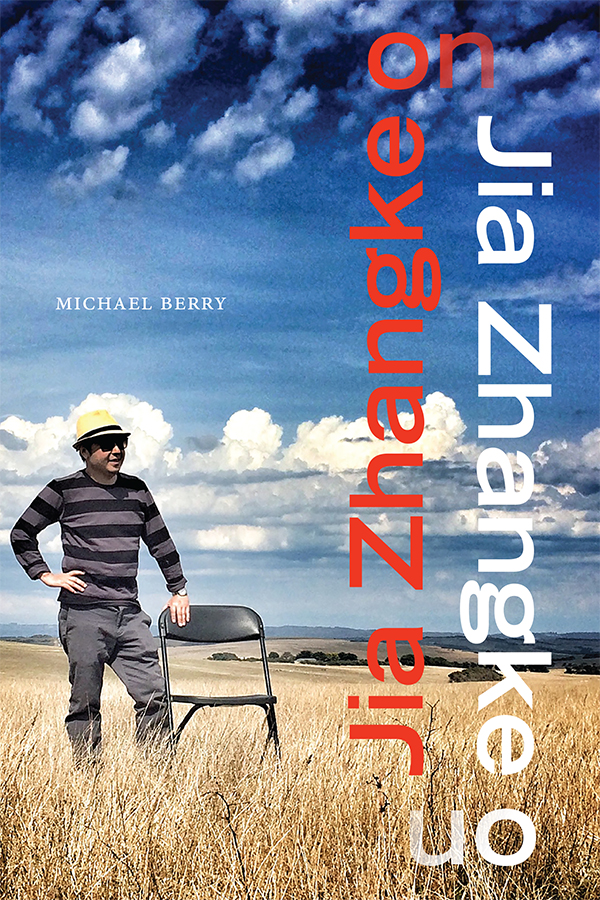
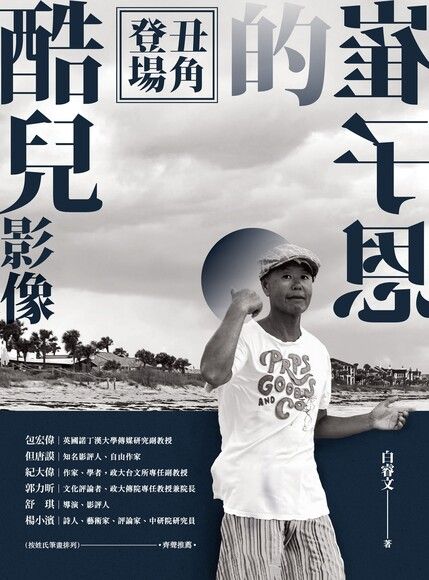
Berry is also the author of several book-length collections of pioneering writers, filmmakers and other cultural figures, including Speaking in Images: Interviews with Contemporary Chinese Filmmakers a collection of dialogues with contemporary Chinese filmmakers including Hou Hsiao-hsien, Zhang Yimou, Stanley Kwan, and Jia Zhangke, a full-length interview book with award-winning film director Hou Hsiao-hsien, Boiling the Sea: Hou Hsiao-hsien’s Memories of Shadows and Light (in Chinese), Jia Zhangke on Jia Zhangke, a volume of conversations with Chinese filmmaker Jia Zhangke, Enter the Clowns, a book-length collection of interviews with pioneer of Chinese queer cinema, Cui Zi’en, Voiceover, a collection of interviews with Sinophone filmmakers from Taiwan, China, and overseas, and Between the Lines, a two-volume collection of conversations with leading Chinese writers, including Gao Xingjian, Zhang Ling, Wang Anyi, Yan Lianke, Ha Jin, and Kenneth Pai. He is currently completing a collaboration with legendary Hong Kong filmmaker, Ann Hui, on a book manuscript that documents her life and work. He is the editor of The Musha Incident: A Reader in Taiwanese History and Culture and the co-editor of Divided Lenses: Screen Memories of War in East Asia, Modernism Revisited: Pai Hsien-yung and the Taiwan Literary Modernism Movement, and The Wu Ming-Yi Companion: Literature, Environment, and Translation through Compound Eyes.
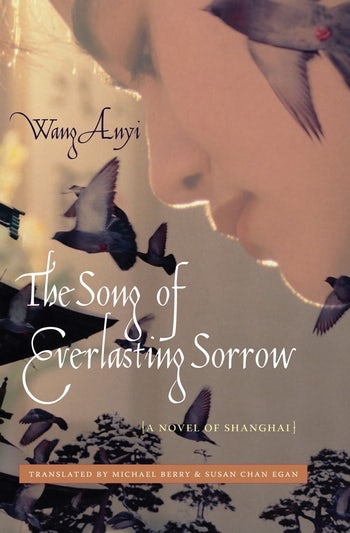
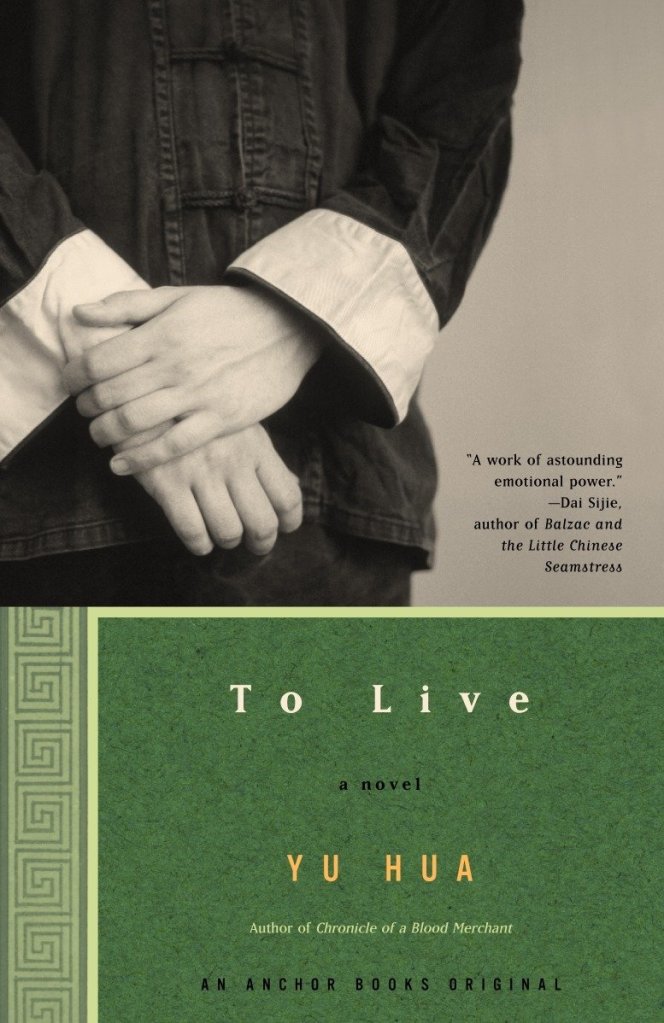
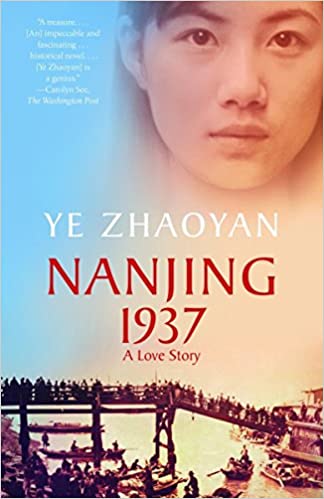
Also an active literary translator, Berry has translated several important contemporary Chinese novels by Yu Hua, Ye Zhaoyan, and Chang Ta-chun. His co-translation with Susan Chan Egan of Wang Anyi’s Song of Everlasting Sorrow was awarded Honorable Mention for the 2009 MLA Lois Roth Award for an outstanding translation of a literary work. In 2016, his translation of To Live was selected for the NEA’s “The Big Read” program. His translation of Wu He’s (Dancing Crane) award winning novel Remains of Life (Yu sheng), a fascinating literary exploration of the 1930 Musha Incident, was honored with a NEA Translation Fellowship and shortlisted for the Best Translated Books Award (BTBA). In February of 2020, at the very start of the COVID-19 outbreak, Berry began to translate Wuhan Diary: Dispatches from a Quarantined City by Wuhan-based writer Fang Fang. The book was one of the earliest accounts of the unfolding global crisis; while targeted by nationalist trolls, the diary was widely reviewed by international media outlets and honored with numerous awards. Berry went on to translate two additional novels by Fang Fang, including The Running Flame and Soft Burial, for which he was awarded a second NEA Translation Fellowship in 2021. Other literary translation projects include Han Song’s dystopian Hospital trilogy, and the novel The Priviliged by Wu Xiaole.
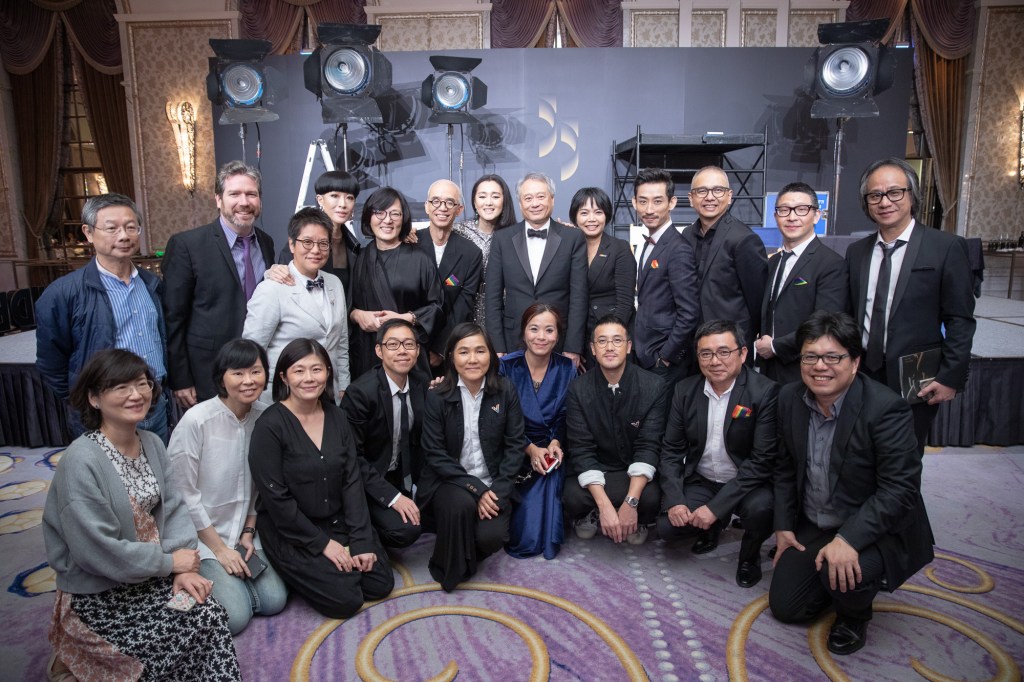
In addition to his academic writing, Berry extends the scope of his work through various media consultant positions, popular writings and jury service. He has frequently been featured in various mainstream media outlets in the US and China, including NPR, the Wall Street Journal, the New York Times, the China Daily, and The People’s Daily. He is a contributor to the ChinaFile and his popular essays in Chinese have been published in the weekly Friday supplement of The Beijing News. He has served as a jury member for the Golden Horse Film Festival (2010, 2018), Fresh Wave Film Festival (2012), Los Angeles International Culture Film Festival (2017, 2019) and the Dream of the Red Chamber Literary Award (2012, 2014, 2016, 2018).
His work has received generous support from a variety of organizations, including the Chiang Ching-kuo Foundation, The Weatherhead Foundation, the China Times Cultural Foundation, and the National Endowment of the Arts.
白睿文 (Michael Berry)1974年於美國芝加哥出生。美國哥倫比亞大學現代中國文學與電影博士。現職美國加州大學洛杉磯分校(UCLA)亞洲語言文化教授兼任中國研究中心主任一職,主要研究領域為當代華語文學、電影、流行文化和翻譯學。
著作包括 《光影言語:當代華語片導演訪談錄》(哥倫比亞大學出版社,2005;麥田,2007;廣西師範大學出版社,2008)、《痛史:現代華語文學與電影的歷史創傷》(哥倫比亞大學出版社,2008; 麥田,2016)、《鄉關何處:賈樟柯的故鄉三部曲》(英國電影學院, 2009廣西師範大學出版社,2010)、《煮海時光:侯孝賢的光影記憶》(印刻 2014,廣西師範大學 2015)、《電影的口音:家長可談贾樟柯》(廣西大學出版社2021;秀威2021;杜克大學出版社2022)、《丑角登場:崔子恩的酷兒影像》(威秀2022)、《畫外音:當代華語片影人對談錄》、《字裡行間:華人作家對談錄》(上下冊)。編著包括《霧社事件:台灣歷史與文化讀本》(麥田,2020;哥倫比亞大學出版社,2022)》《重返現代》(麥田,2016)、Divided Lenses (夏威夷大學出版社,2016)。
中英譯作包括王安憶《長恨歌》、葉兆言《一九三七年的愛情》(2003)、余華《活著》(2004)、張大春《我妹妹》與《野孩子》(2000),舞鶴《餘生》(2017)方方《武漢日記》 (2020)、《奔跑的火光》(2025)、《軟埋》(2025)以及韓松《醫院》(2023)《驅魔》(2023)《亡靈》(2025)。2009年獲得現代語言協會(MLA)最佳翻譯獎的榮譽提名,2021年榮獲台灣文化部文協獎章;曾擔任年金馬電影節(2010、2018)、紅樓夢獎(2012-2018)、香港「鮮浪潮」國際短片展(2013、2022)以及中國FIRST青年電影展評審。也曾為《新京報》和「中國電影導演協會」撰寫專欄。
 Michael Berry